Design Story
Clean vs. Knotty Oak: What 400 People Revealed About Choosing Wood Floors
 Illustration
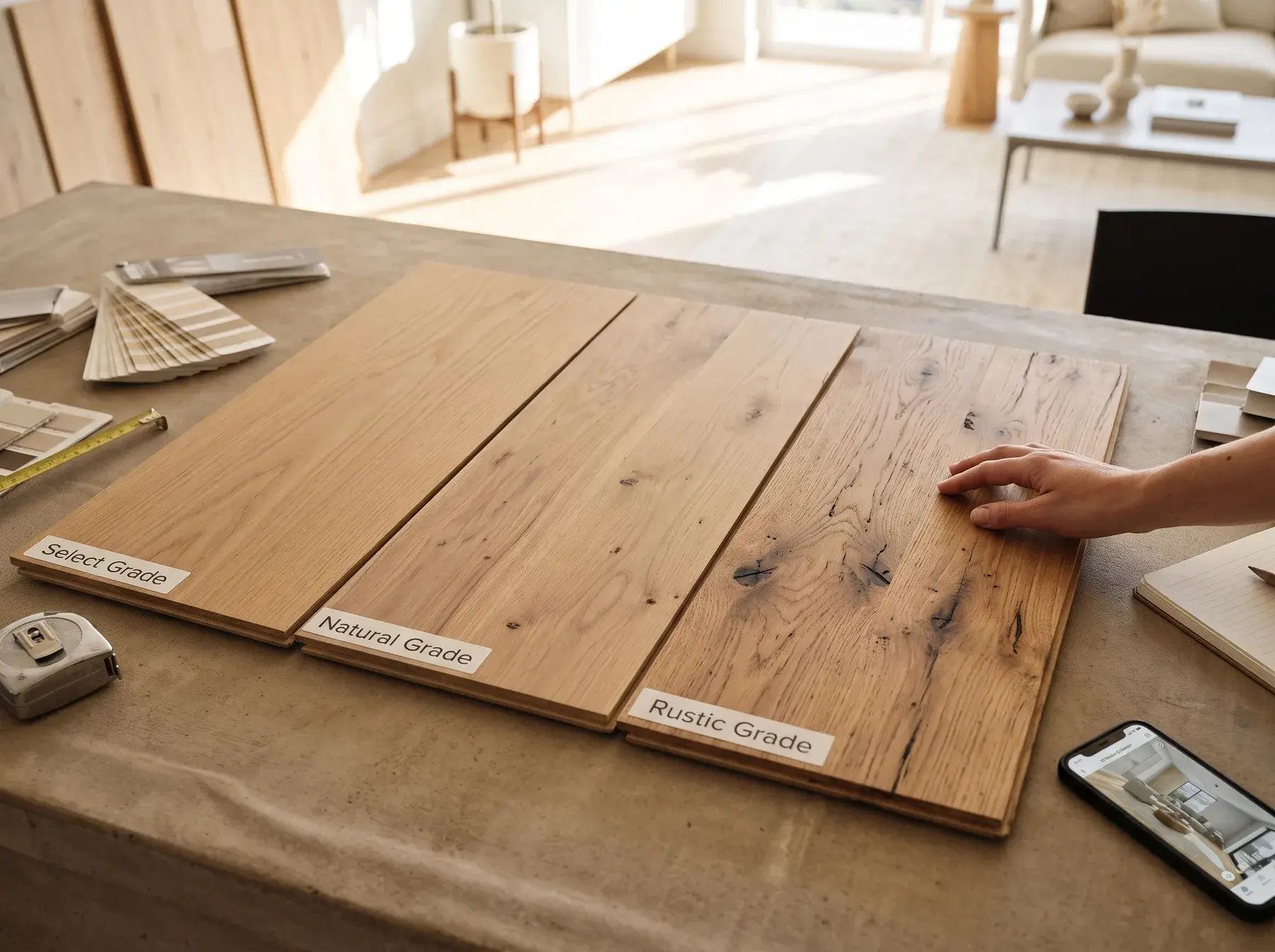
Walk into two different homes with oak flooring and you might notice something surprising: one floor looks sleek, calm, and almost uniform, while the other is full of swirling grain, mineral streaks, and bold natural knots. Neither is "better" quality—they are simply different wood grades. Out of pure curiosity, we asked 400 people in Thailand (200 locals and 200 expats) to pick their favorite oak look—no price tags, just pure gut instinct.
Before choosing wood flooring for your space, it helps to know how oak is graded. Wood grading isn't about strength—it's all about personality and visual vibe.
1First, What Are the 3 Main Oak Grades?
- Select Grade (The Clean Minimalist): Smooth, even color with very subtle grain and almost zero knots—sleek, calm, and effortless.
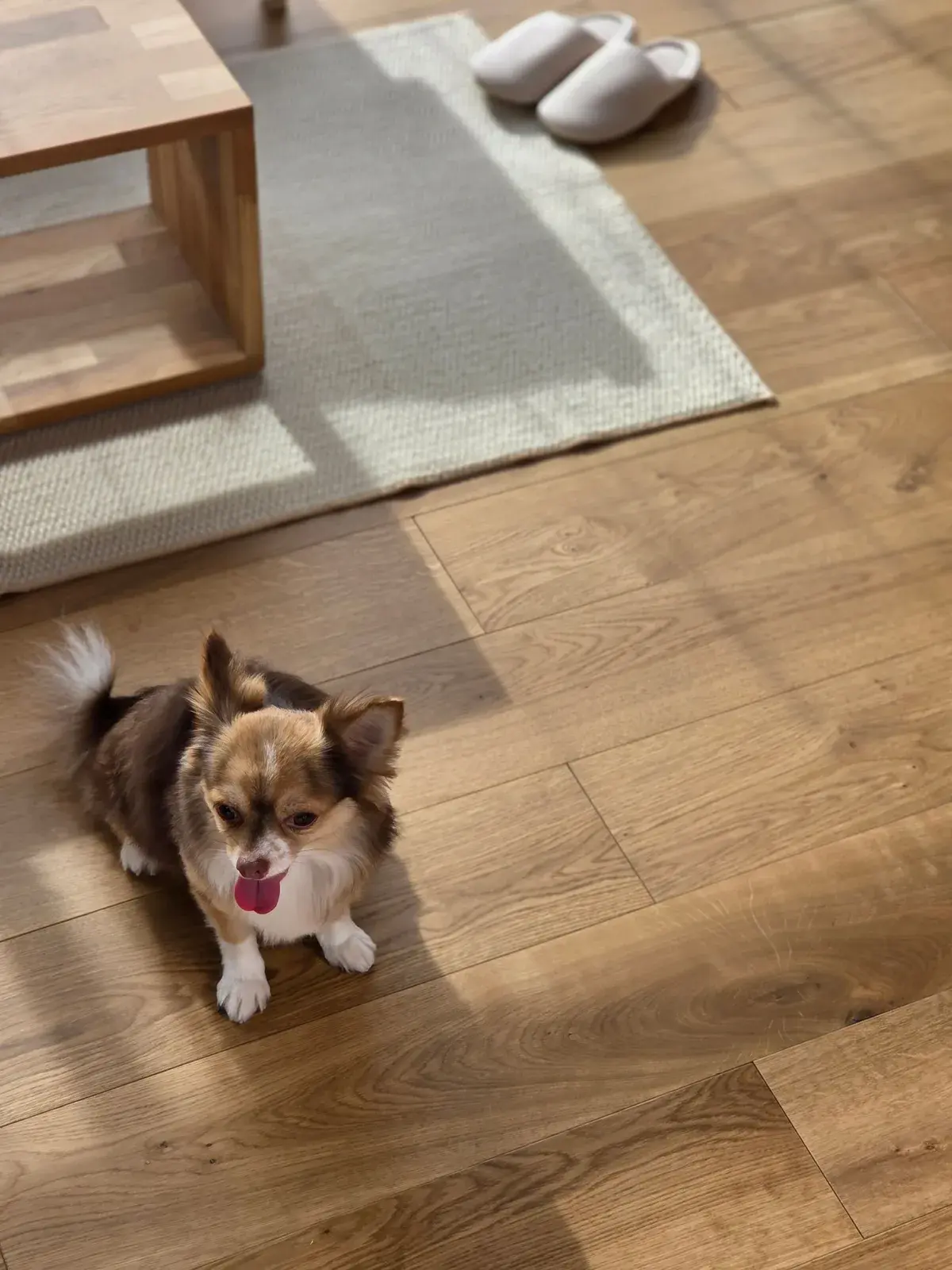
- No. 1 Common / Natural Grade (The Balanced Classic): A gentle mix of warm tones, light grain movement, and small scattered knots that feel organic without taking over the room.
- Rustic / No. 2 Common Grade (The Bold Storyteller): Dramatic color variation, bigger knots, and natural marks that give a space instant soul and coziness.
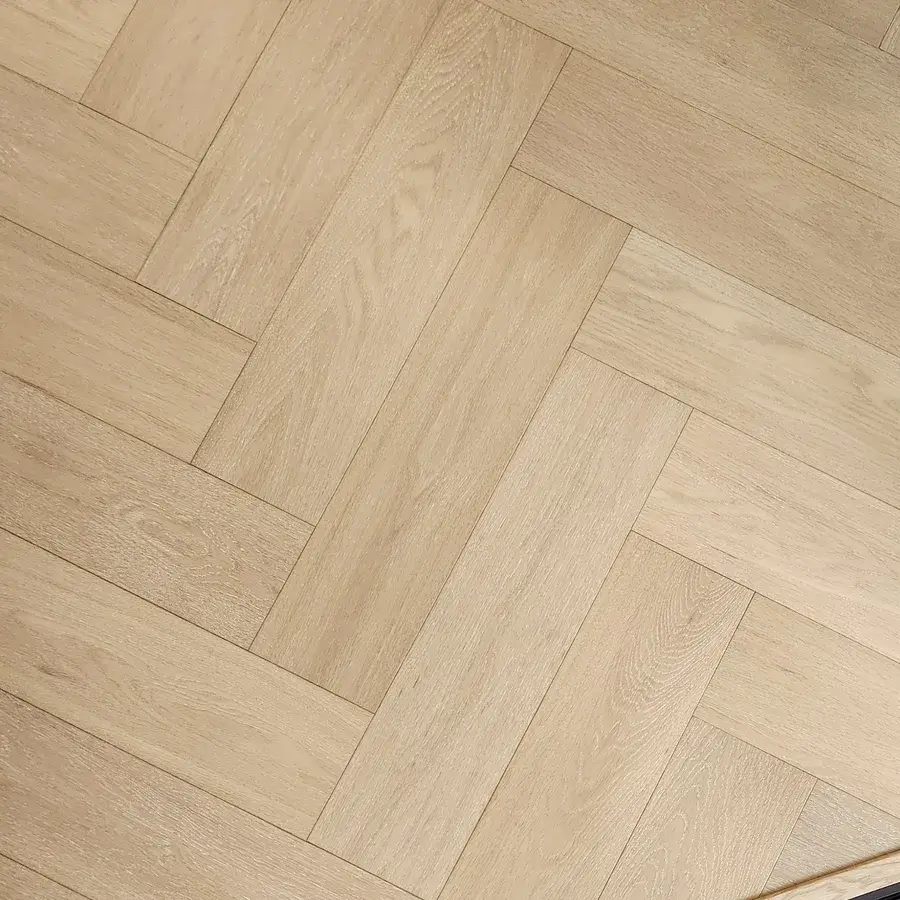
Select
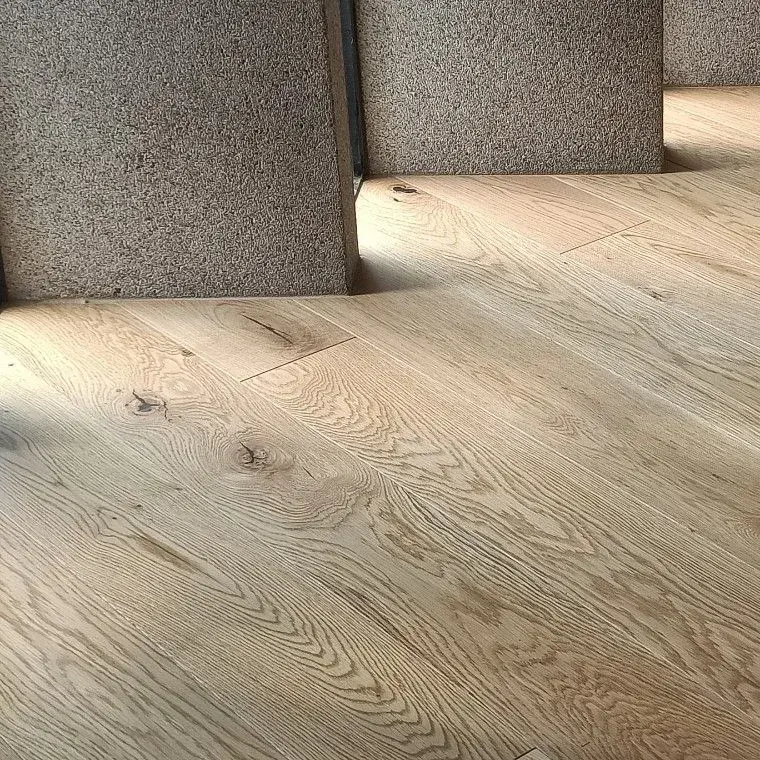
No. 1 Common
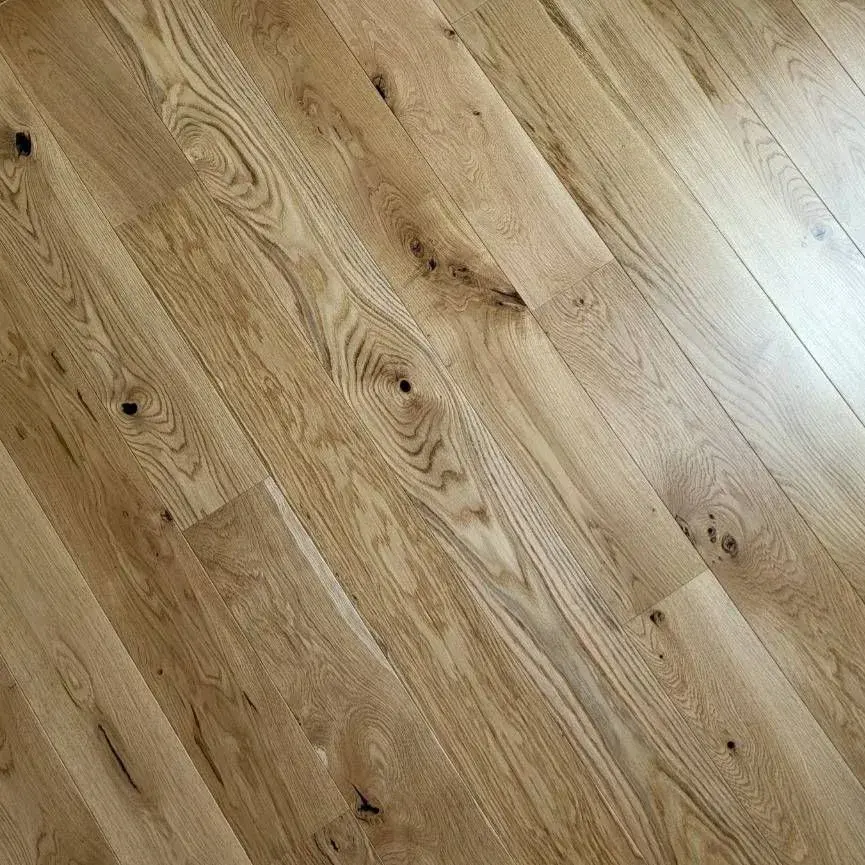
Rustic
2Culture Shapes What "Beautiful" Looks Like
When everyone picked purely by eye, a clear split showed up right away:
- Most Thai homeowners love a clean canvas: 73.5% picked Select Grade, while 19.5% went for Natural Grade and only 7% chose Rustic.
- Expats were almost split down the middle: While 54.5% still chose Select Grade, nearly half fell for natural texture—27.5% picked Natural Grade and 18% went straight for Rustic.
Design psychology explains why: what feels "right" at home is deeply tied to what we grew up around. Studies on wood aesthetics (like Høibø et al., 2018) show that visual familiarity shapes our taste—whether you see smooth, uniform wood as refined luxury, or view knots and color shifts as authentic warmth.
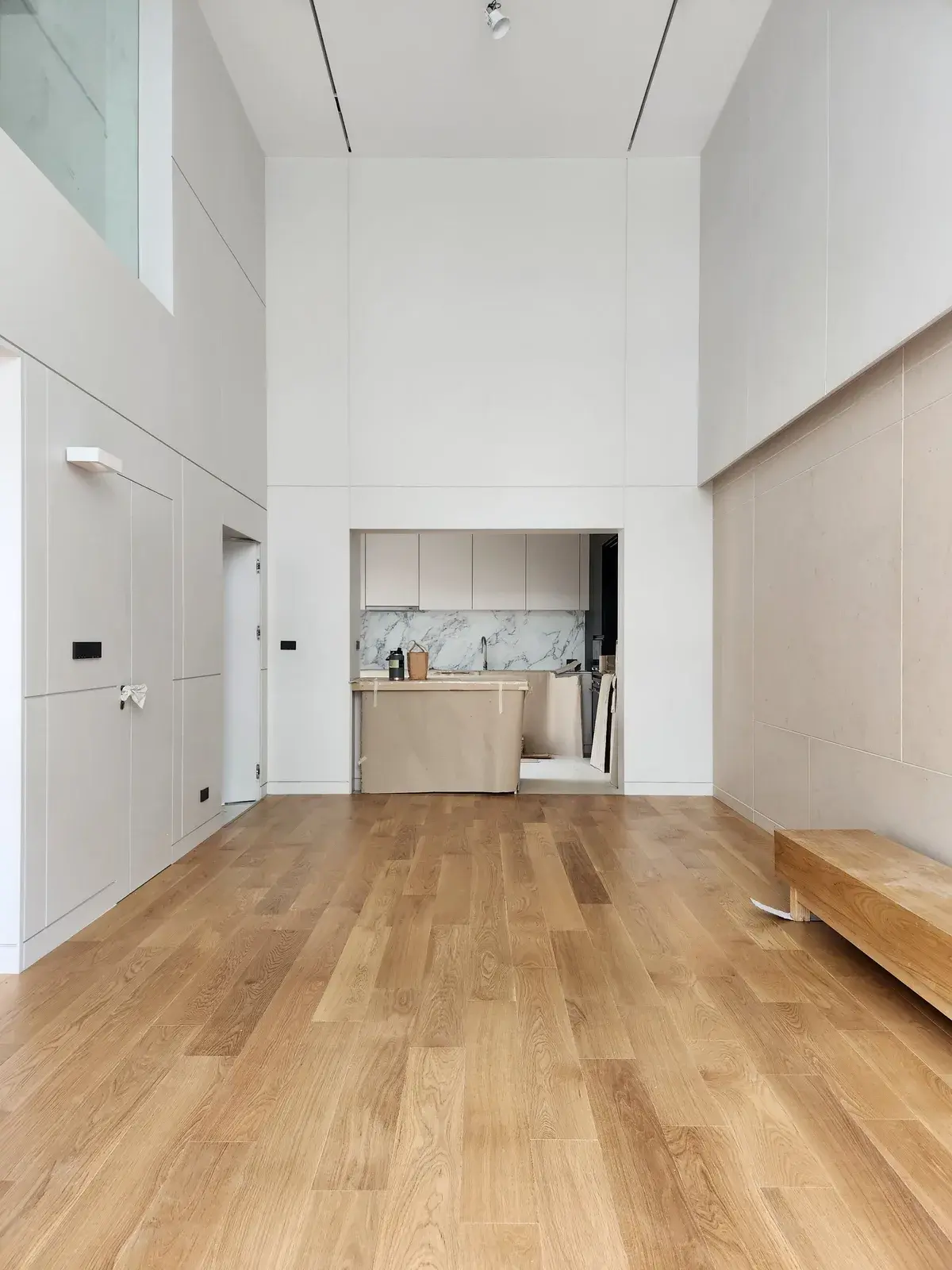
Select
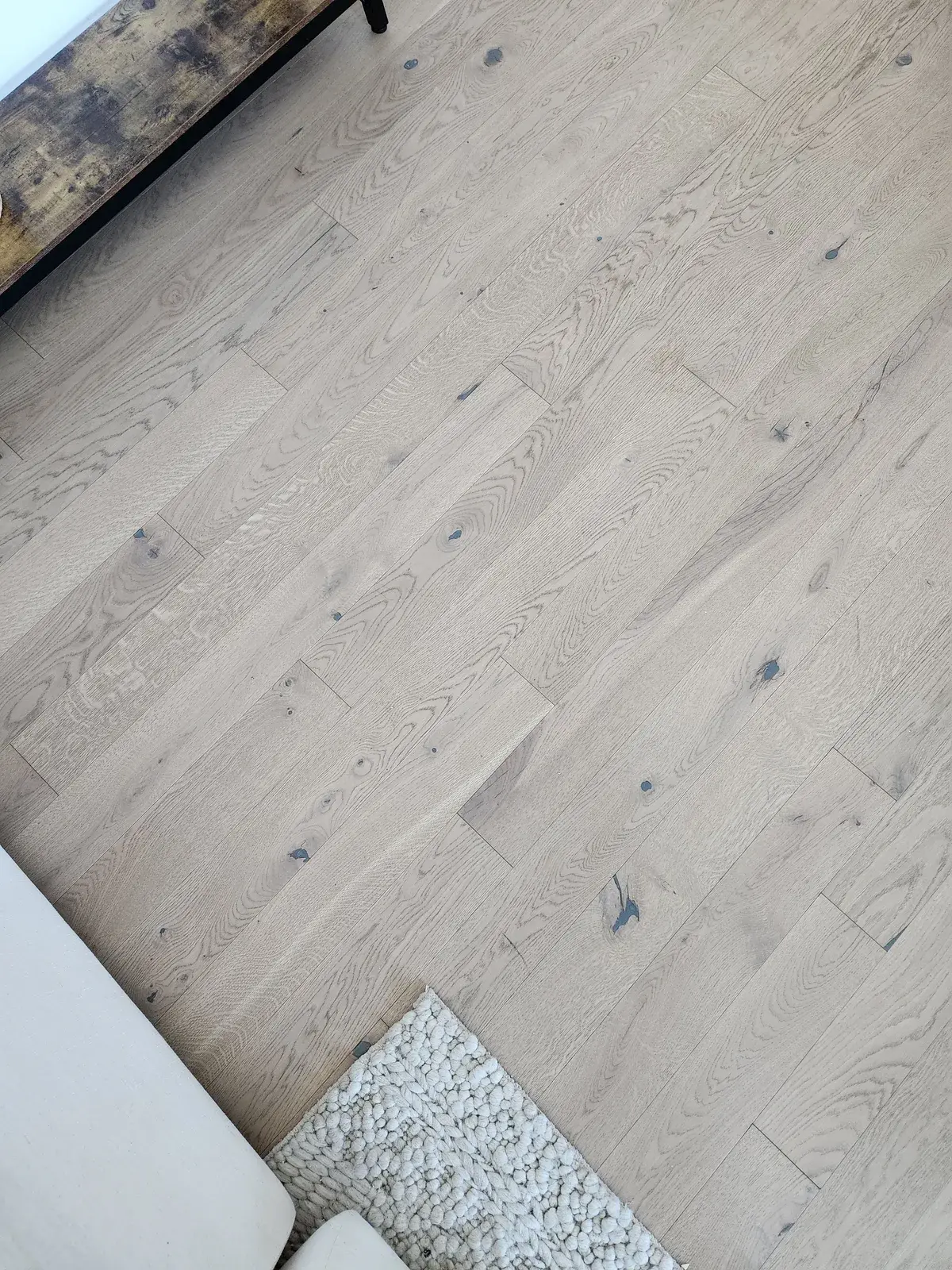
Rustic
3So, Which Grade Should You Pick for Your Space?
The biggest takeaway? Knots are a style choice, not a flaw. Every oak grade comes from the exact same durable hardwood species—so you can pick purely based on the mood you want to create:
- Go for Select Grade if you love quiet luxury, modern minimalism, or want your furniture and art to be the star of the room.
- Go for No. 1 Common (Natural Grade) if you want effortless Japandi or Scandinavian warmth with just the right touch of organic texture.
- Go for Rustic Grade if you're designing a cozy loft, mid-century space, or a pet-friendly home where natural marks actually help hide everyday life.
Minimalist · Select
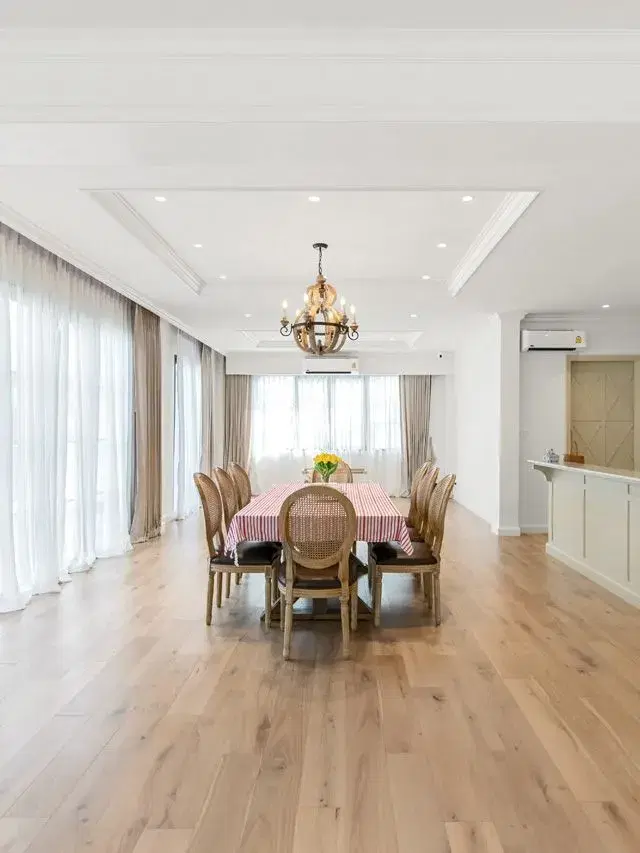
Natural touch
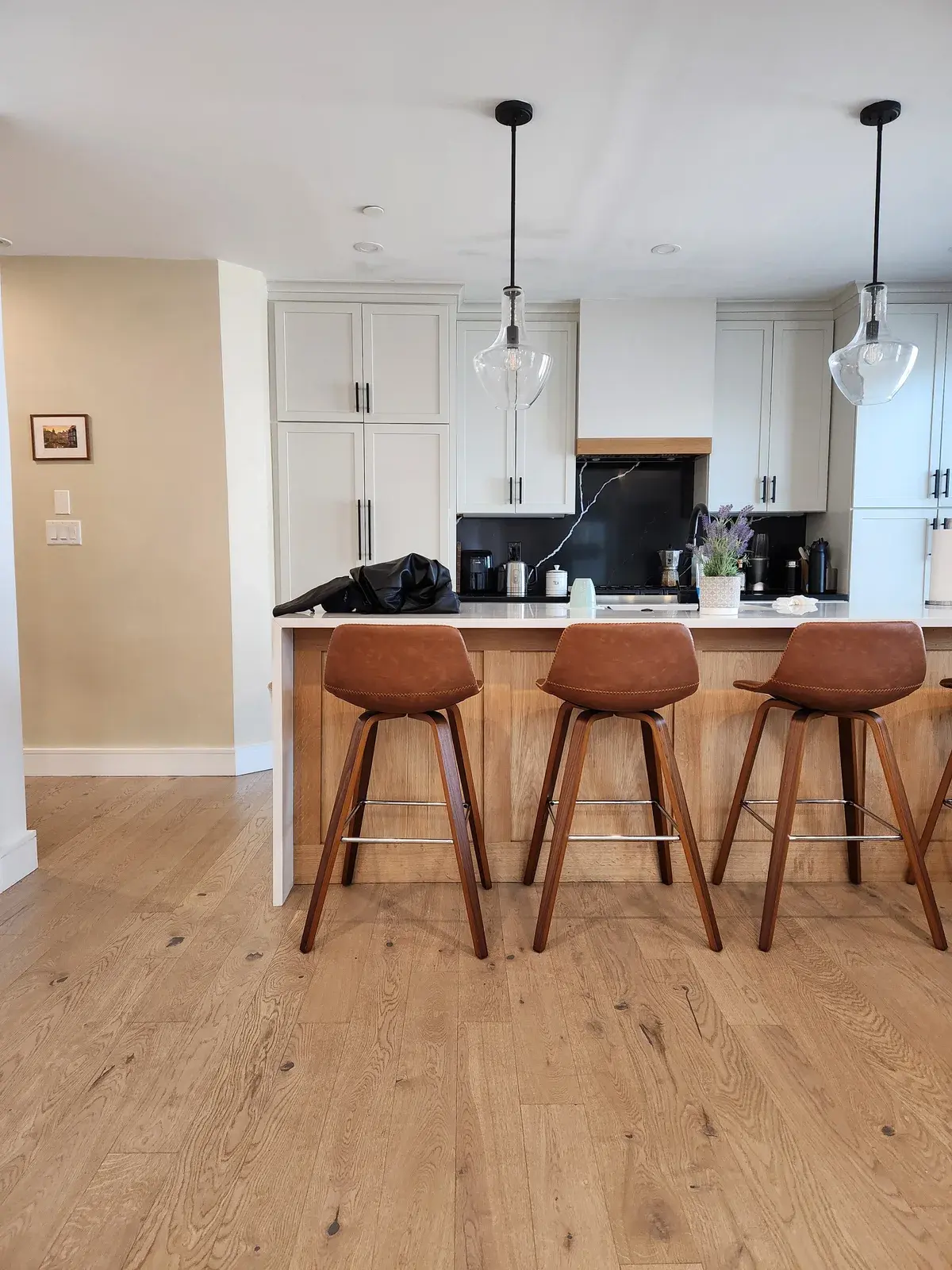
Cozy kitchen · Rustic
(Curious how architects and interior designers choose differently from everyday homeowners—or what happened when we put a price tag on each sample? Stay tuned for Parts 2 and 3 of our study!)
Sources
- Phoosomboon, M. & Thanasrivanitchai, J. — Bridging the Gap: Understanding Divergent Oak Wood Preferences Among Thai and Expatriate Consumers (Kasetsart University / BAM Conference Research, N = 400)
- Høibø, O., Hansen, E., Nybakk, E., & Nygaard, M. (2018) — Preferences for Urban Building Materials: Does Building Culture Background Matter? (Forests, 9(8))
- Marchal, R. & Mothe, F. (1994) — Appréciation du bois de chêne par les consommateurs et les professionnels français du bois (Annales des Sciences Forestières, 51)